
Offloading of the wounds in the foot is one of the most important and integral part of wound management to achieve optimal successful results. Various offloading modalities have been used for decades with each having their own merits and demerits. However, astonishingly, as far as the author knows, as an expert diabetic foot surgeon, there is no classification till date that divides offloading devices in appropriate distinct group. The Author proposes new different classifications for offloading devices/system in diabetic foot for the first time in the literature. It is a novel attempt to improvise and standardize diabetic foot practices around the world and is another component of Amit Jain’s principle and practice of diabetic foot. This offloading classification can also be used for non-diabetic foot wounds.
Amit Jain’s Classifications for Offloading the Diabetic Foot Wounds
Consultant Surgeon and Head, Amit Jain’s Institute Of Diabetic Foot and Wound Care, Brindavvan Areion Hospital, Bangalore,
India
*Associate Professor, Department Of Surgery, Rajarajeswari Medical College, Bangalore
CORRESPONDING AUTHOR: Dr Amit Kumar C Jain
Amit Jain’s Institute Of Diabetic Foot and Wound Care, Brindhavvan Areion Hospital Bangalore
ABSTRACT: Offloading of the wounds in the foot is one of the most important and integral part of wound management to achieve optimal successful results. Various offloading modalities have been used for decades with each having their own merits and demerits. However, astonishingly, as far as the author knows, as an expert diabetic foot surgeon, there is no classification till date that divides offloading devices in appropriate distinct group. The Author proposes new different classifications for offloading devices/system in diabetic foot for the first time in the literature. It is a novel attempt to improvise and standardize diabetic foot practices around the world and is another component of Amit Jain’s principle and practice of diabetic foot. This offloading classification can also be used for non-diabetic foot wounds.
Key Words: Diabetic foot, Classification, Amit Jain, Offloading, Ulcer.
INTRODUCTION
Offloading is defined as any measure to eliminate abnormal
pressure points to promote healing or prevent recurrence of
diabetic foot ulcers [8]. Foot ulcers in diabetes are caused by
an imbalance between excessive pressure that occur at the
plantar aspect of foot and cycle of repetitive stress that result
from daily ambulation [2]. Hence pressure modulation,
commonly, referred to as offloading, and is essential in
treatment of foot ulcer [9].
Various methods/devices to offload the foot are available and
they include bed rest, crutches, wheelchairs, half shoes, felted foam, total contact cast, etc [2, 7, 8, 10, 11].
they include bed rest, crutches, wheelchairs, half shoes, felted foam, total contact cast, etc [2, 7, 8, 10, 11].
OFFLOADING THE DIABETIC FOOT WOUND
1] Diabetes mellitus.
2] All the patients seen by the authors both as in patients as well as outpatient were included in the study.
3] Patients operated elsewhere and who came to us for further management were also included in this study
2] All the patients seen by the authors both as in patients as well as outpatient were included in the study.
3] Patients operated elsewhere and who came to us for further management were also included in this study
AMIT JAIN’S CLASSIFICATIONS FOR OFFLOADING
It is astonishing that offloading being one of the most
important modality known over years never had any
classification system till date that categorizes different
offloading devices appropriately. The author for the first time
introduces different classifications for offloading devices used
in diabetic foot, thereby standardizing and improvising the
diabetic foot practice around the world and this classification
forms a component of Amit Jain’s system of practice for
diabetic foot [12, 13].
These classifications are simple, easy to remember, practical and would help clinicians to understand offloading in much better way and provide them guidance so that they can use them effectively in their practice. These classifications can be used in non-diabetic wounds.
Offloading classification are divided into general/broad classification and focal classification.
The broad/general classification for offloading are divided based on usage of material and the aim of offloading. The following are general classification for offloading the diabetic foot wounds.
These classifications are simple, easy to remember, practical and would help clinicians to understand offloading in much better way and provide them guidance so that they can use them effectively in their practice. These classifications can be used in non-diabetic wounds.
Offloading classification are divided into general/broad classification and focal classification.
The broad/general classification for offloading are divided based on usage of material and the aim of offloading. The following are general classification for offloading the diabetic foot wounds.
GENERAL CLASSIFICATION 1 – AMIT JAIN’S OFFLOADING CLASSIFICATION BASED ON USAGE OF MATERIALS
Based on material usage, offloading can be classified into Natural [non synthetic] offloading and Synthetic offloading. In Natural offloading, no material is used on foot or leg for offloading. Example is bed rest which is not practical. In Synthetic offloading, some material or device is used on foot or leg for offloading the foot. Example is felted foam, half shoes, total contact cast, etc.
GENERAL CLASSIFICATION 2 – AMIT JAIN’S OFFLOADING CLASSIFICATION BASED ON AIM OF OFFLOADING
Based on the aim of offloading, the offloading can be also classified into Prophylactic offloading and Therapeutic offloading. The Prophylactic offloading aims at prevention of wound development and relieving the pressure. Example is
Amit Kumar / Amit Jain’s Classifications for Offloading the Diabetic Foot Wounds
placing pillows or sponge made devices to offload the heel. In
therapeutic offloading, the wound/pathology is still present or
it would have healed, and this offloading aims to either heal
the wounds or prevent/decrease the recurrences. Example is
Felted foams, total contact casts, therapeutic footwear, etc.
The focal classification for offloading are divided based on role of offloading and ease of application. The following classifications are focal classification for offloading.
The focal classification for offloading are divided based on role of offloading and ease of application. The following classifications are focal classification for offloading.
FOCAL CLASSIFICATION 1- AMIT JAIN’S OFFLOADING CLASSIFICATION BASED ON ROLE/FUNCTION OF OFFLOADING SYSTEM
This classification is based on role/ function of the offloading device/ offloader. It classifies offloading into 5 categories.
CATEGORY 1 – DEFLECTIVE OFFLOADING. In this offloading, the pressure at the ulcer/ lesion site is directed to the surrounding weight bearing surface [14] so that the ulcer is free from any pressure. The best examples in this category are Felted foam [14, 15] [Figure 1], Amit Jain’s offloading system [15], Samadhan system [16, 17], etc.
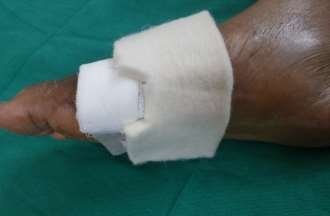
Figure 1 demonstrating the Felt application. This type of offloading belongs to category 1 – Deflective offloading. Mandakini offloading device [18], which utilizes the concept similar to Samadhan system, also belongs to this category.
CATEGORY 2 – ADJUSTIVE OFFLOADING. In this category of offloading, modifications/ adjustments are made in the insoles/socks/ footwear to relieve the pressure. Examples in this category are half shoes [Anterior forefoot/Posterior heel wedge] [Figure 2], peg insoles/scooping insoles, Rockers, etc.
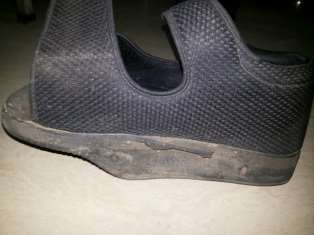
Figure 2 showing anterior orthowedge footwear. This type of offloading belongs to category 2 – Adjustive offloading.
CATEGORY 3 – RESTRICTIVE OFFLOADING. In this category of offloading, the movements at foot/ankle are strictly restricted to allow the wound to heal or to relieve the pressure. Examples are Total contact cast [Figure 3], Bohler iron cast, Charcot restraint orthotic walker [CROW], Aircast, etc.
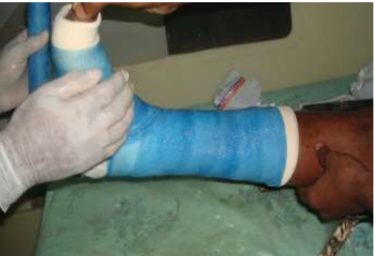
Figure 3 showing TCC application. This type of offloading belongs to category 3 – Restrictive offloading.
CATEGORY 4- SUPPORTIVE OFFLOADING. In this category of offloading, external aid is used for walking so that the pressure on the foot is decreased. Examples are crutches, stick [Figure 4], walkers, etc.
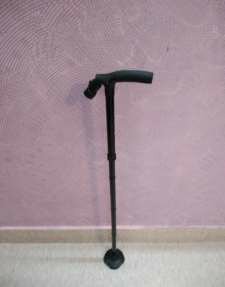
Figure 4 showing a walking stick. This type of offloading belongs to category 4 – Supportive offloading.
CATEGORY 5- ELEVATIVE OFFLOADING. In this category of offloading, the foot is elevated especially from the bed to relieve the pressure. This type of offloading is frequently done to protect the heel from pressure injury/ for healing the ulcer. Examples in this category are placing pillows under the lower leg, Water filled gloves that are placed under heel, usage of sponge devices/ suspension boots like Heelift [19], etc.
Amit Kumar / Amit Jain’s Classifications for Offloading the Diabetic Foot Wounds
Few offloading devices may have combine functions and according to the author the best example is Bohler iron cast which has both restrictive and elevative role where the foot and ankle movements are restricted as well as the foot is elevated from ground for ambulation.
2 cases [9.52%] of osteomyelitis had associated charcot foot and they were type 2 osteomyelitis.
There was no mortality in this study and none of the patients had underlying peripheral vascular
disease.
FOCAL CLASSIFICATION 2- AMIT JAIN’S OFFLOADING CLASSIFICATION BASED ON EASE OF APPLICATION OF OFFLOADING SYSTEM
The author’s Amit Jain’s classification for diabetic foot ulcer had classified the diabetic foot ulcers into three simple classes namely simple, complex and complicated diabetic foot ulcers [13]. This was the first classification for diabetic foot ulcer from Indian subcontinent that was proposed in 2014 and published subsequently [13]. The aim was to simplify diabetic foot ulcer and use it as a teaching tool as it was practical and could be applied in clinical practice [13]. Similar classification concept of simple, complex and complicated could be applied for offloading too.
This offloading classification is based on ease of application/use of offloading device in clinical practice. According to this classification, the offloading can be divided into 3 simple types
This offloading classification is based on ease of application/use of offloading device in clinical practice. According to this classification, the offloading can be divided into 3 simple types
TYPE 1 – SIMPLE OFFLOADING. In this category, offloading is easiest to use or devise and apply. Examples – Felted foam, Amit Jain’s Offloading system, Samadhan system, Wedge footwear, Peg Insoles, Scooped insoles, etc. Some of these offloading can be prepared easily like Amit Jain’s offloading and samadhan system or scooping the insoles to relieve the ulcer area and some of them are pre-prepared like Wedged footwear’s that are available and one needs to wear them with ease.
TYPE 2 – SIMPLE OFFLOADING. Here the offloading system requires some time to apply and these offloading are usually manufactured by the companies due to the complexities in their preparation in Industries. Example – CROW, AIRCAST, etc
TYPE 3 – SIMPLE OFFLOADING. Here the offloading requires both extra time and expertise to apply.Example – TCC, Bohler Iron Cast [20], etc.
DISCUSSION
Offloading has dual function of reducing the risk of tissue
damage and also in assisting in the tissue repair after the
damage has occurred [21]. This is achieved by reduction or
elimination of pressure [21].
Offloading redistributes plantar pressures evenly, thus
avoiding areas of high pressure in the foot [8]. Each offloading
method has its own advantage and disadvantage. For example,
confining to wheel chair or bed rest results in complete
offloading or pressure relief. But they are neither practical nor
advisable [21]. TCC, which was considered gold standard by
many before advent of new offloading devices, is time
consuming, requires expertise and cannot be used in infected
wounds [8, 15].
One needs to use offloading according to the type of foot
problems and also on the location of the wounds. Offloading
also depends on the socioeconomic status of the patient [17,
18], ambulatory capacity, job profile and availability of
offloading devices.
| Sl No | LEVEL OF RECOMMENDATION OFFLOADING | EXAMPLES |
|---|---|---|
| 1 | LEVEL 1 – SIMPLE OFFLOADING | Felted foam, Amit Jain’s Offloading system, Samadhan system, Wedge footwear, Peg Insoles, Scooped insoles, etc |
| 2 | LEVEL 2 – COMPLEX OFFLOADING | Aircast, charcot restraint orthotic walker [CROW], etc |
| 3 | LEVEL 3 – COMPLICATED OFFLOADING | Total contact cast [TCC] and its variants, Bohler Iron Cast, etc |
Table 1 – Amit Jain’s Recommendation For Offloading- A Stepwise/ Level Wise Practical Approach For Using Offloading.
A general recommendation is proposed by the author[Table 1] that suggests using simple offloading systems as the first choice [level 1 recommendation for offloading] and consider the complex and complicated offloading only in difficult to heal wounds or when the simple offloading systems could not achieve the healing of the wounds. In that case, one can switch to complex or complicated offloading system. Many a times, the clinician can combine different off loading’s to achieve optimum wound healing. The expert clinician can also directly jump to level 3 offloading recommendation in cases of difficult to heal wounds.
AMIT JAIN’S LAW OF OFFLOADING [15]
The standard Amit Jain’s offloading system, which now can be categorized as a simple offloading system in deflective offloading category, utilizes a combination of microcellular rubber and ethyl vinyl acetate [15]. The Amit Jain’s Law of offloading states that “Any other viscoelastic/ elastic materials like polyurethane, polyethylene, etc used in isolation or in combination in thickness of acceptable range like felted foams should be considered to be a variation of Amit Jain’s offloading system/ technique”. This law was stated to avoid the plagiarism of the technique/ concept and if one uses it in different combination/method, the technique shall still be called AMIT JAIN’S OFFLOADING TECHNIQUE [VARIANT] and shall not be named otherwise by any other author/group/consensus committee without the author’s approval.
CONCLUSION
Offloading is an important yet has been a neglected strategy in diabetic foot management even today in spite of the fact that new concepts and new offloading devices have evolved over last few years with novel aim of simplifying their usage and also to reduce the financial burden on the patient. The new Amit Jain’s classifications for offloading is yet another novel step by the author to improvise and standardize the diabetic foot practice around the world which is the aim of Amit Jain’s system of practice. Based on these new proposed classifications, most of the offloading devices can be categorized and it simplifies our understanding on the offloading system.
REFERENCES
1] Mauricio D, Jude E, Piaggesi A, Frykberg R. Diabetic foot:
Current status and future prospects. Journal Diabetes Research
2016:doi;10.1155/2016/5691305.
2] Wu S. Pressure mitigation for the diabetic foot ulcer. Podiatry Management 2015;79-85.
3] Ahmed AA. Diabetic foot: Offloading devices. MEJRM 2009:7(6):18-21.
4] Deursen RV. Mechanical loading and offloading of the plantar surface of the diabetic foot. CID 2004;39:S87-91.
5] Armstrong DG, Nguyen HC, Lavery LA, Schie CHM, Boulton AJM, Harkless LB. Offloading the diabetic foot wound. Diabetes Care 2001;24:1019-1022.
6] Foley L. Pressure point offloading in the diabetic foot. Primary Intention 1999. 102-108.
7] Sambrook E, Delpierre T, Bowen G. Advancing the gold standard in offloading the diabetic foot. Wounds UK 2015; 48-56.
8] Shankhdhar LK, Shankhdhar K, Shankhdhar U, Shankhdhar S. Instant Offloading of a diabetic foot ulcer. CLin Res Foot Ankle 2016;4:3.
9] Wu SC, Jensen JL, Weber AK, Robinson DE, Armstrong DG. Use of pressure offloading devices in diabetic foot ulcers. Do we practice what we preach. Diabetes Care 2008;31(11):2118-2119.
10] Cavanagh PR, Bus SA. Offloading the diabetic foot for ulcer prevention and healing. J Am Podiatr Med Assoc 2010; 100 (5):360-368.
11] Armstrong DG, Lavery LA, Nixon BP, Boulton JM. It’s not what you put on, but what you take off: Technique for debriding and offloading the diabetic foot wound. CID 2004;39:592-99.
12] Jain AKC, Viswanath S. Studying major amputations in a developing country using Amit Jain’s typing and scoring system for diabetic foot complications – time for standardization of diabetic foot practice. Int Surg J 2015;2(1):26-30.
13] Jain AKC. A Simple New Classification for Diabetic Foot Ulcers. Med-Science 2015; 4(2): 2109-20.
14] Nube VL, Molyneaux L, Bolton T, Clingan T, Palmer E, Yue DK. The use of felt deflective padding in the management of plantar hallux and forefoot ulcers in patients with diabetes. The Foot 2006;16:38-43.
15] Jain AKC. Amit Jain offloading system for diabetic foot wounds: A better and superior alternative to felted foam. IJMSCI 2017;4(1):2604-2609.
16] Shankhdhar K, Shankhdhar LK, Shankhdhar U, Shankhdhar S. Offloading the diabetic foot in the developing world. Diabetes Voice 2009;54(3):27-29.
17] Shankhdhar K, Shankhdhar LK, Shankhdhar U, Shankhdhar S. A case report: Offloading the diabetic foot in the developing world. J Diab Foot Comp 2011;3(2):26-29.
18] Kari SV. The economical way to offload diabetic foot ulcers [Mandakini Offloading device]. Indian J Surg 2010;72(2):133-134.
19] Donnelly J, Winder J, Kernohan WG, Stevenson M. An RCT to determine the effect of a heel elevation device in pressure ulcer prevention post hip fracture. JWC 2011;20(7):309-318
20]Saikia, P., Hariharan, R., Shankar, N. et al. Effective and Economic Offloading of Diabetic Foot Ulcers in India with the Bohler Iron Plaster Cast. Indian J Surg 2016;78:105. doi:10.1007/s12262-015-1327-3
21] Mulder G, Alfieri DM. The Diabetic foot: Consideration for pressure reduction and offloading. Primary intention 2007;15(2):58-65.
2] Wu S. Pressure mitigation for the diabetic foot ulcer. Podiatry Management 2015;79-85.
3] Ahmed AA. Diabetic foot: Offloading devices. MEJRM 2009:7(6):18-21.
4] Deursen RV. Mechanical loading and offloading of the plantar surface of the diabetic foot. CID 2004;39:S87-91.
5] Armstrong DG, Nguyen HC, Lavery LA, Schie CHM, Boulton AJM, Harkless LB. Offloading the diabetic foot wound. Diabetes Care 2001;24:1019-1022.
6] Foley L. Pressure point offloading in the diabetic foot. Primary Intention 1999. 102-108.
7] Sambrook E, Delpierre T, Bowen G. Advancing the gold standard in offloading the diabetic foot. Wounds UK 2015; 48-56.
8] Shankhdhar LK, Shankhdhar K, Shankhdhar U, Shankhdhar S. Instant Offloading of a diabetic foot ulcer. CLin Res Foot Ankle 2016;4:3.
9] Wu SC, Jensen JL, Weber AK, Robinson DE, Armstrong DG. Use of pressure offloading devices in diabetic foot ulcers. Do we practice what we preach. Diabetes Care 2008;31(11):2118-2119.
10] Cavanagh PR, Bus SA. Offloading the diabetic foot for ulcer prevention and healing. J Am Podiatr Med Assoc 2010; 100 (5):360-368.
11] Armstrong DG, Lavery LA, Nixon BP, Boulton JM. It’s not what you put on, but what you take off: Technique for debriding and offloading the diabetic foot wound. CID 2004;39:592-99.
12] Jain AKC, Viswanath S. Studying major amputations in a developing country using Amit Jain’s typing and scoring system for diabetic foot complications – time for standardization of diabetic foot practice. Int Surg J 2015;2(1):26-30.
13] Jain AKC. A Simple New Classification for Diabetic Foot Ulcers. Med-Science 2015; 4(2): 2109-20.
14] Nube VL, Molyneaux L, Bolton T, Clingan T, Palmer E, Yue DK. The use of felt deflective padding in the management of plantar hallux and forefoot ulcers in patients with diabetes. The Foot 2006;16:38-43.
15] Jain AKC. Amit Jain offloading system for diabetic foot wounds: A better and superior alternative to felted foam. IJMSCI 2017;4(1):2604-2609.
16] Shankhdhar K, Shankhdhar LK, Shankhdhar U, Shankhdhar S. Offloading the diabetic foot in the developing world. Diabetes Voice 2009;54(3):27-29.
17] Shankhdhar K, Shankhdhar LK, Shankhdhar U, Shankhdhar S. A case report: Offloading the diabetic foot in the developing world. J Diab Foot Comp 2011;3(2):26-29.
18] Kari SV. The economical way to offload diabetic foot ulcers [Mandakini Offloading device]. Indian J Surg 2010;72(2):133-134.
19] Donnelly J, Winder J, Kernohan WG, Stevenson M. An RCT to determine the effect of a heel elevation device in pressure ulcer prevention post hip fracture. JWC 2011;20(7):309-318
20]Saikia, P., Hariharan, R., Shankar, N. et al. Effective and Economic Offloading of Diabetic Foot Ulcers in India with the Bohler Iron Plaster Cast. Indian J Surg 2016;78:105. doi:10.1007/s12262-015-1327-3
21] Mulder G, Alfieri DM. The Diabetic foot: Consideration for pressure reduction and offloading. Primary intention 2007;15(2):58-65.
type of osteomyelitis the patient is affected
commonly and also the type of osteomyelitis
responsible for major amputation.